Why Rollers Matter
Small Parts That Carrythe Whole Door
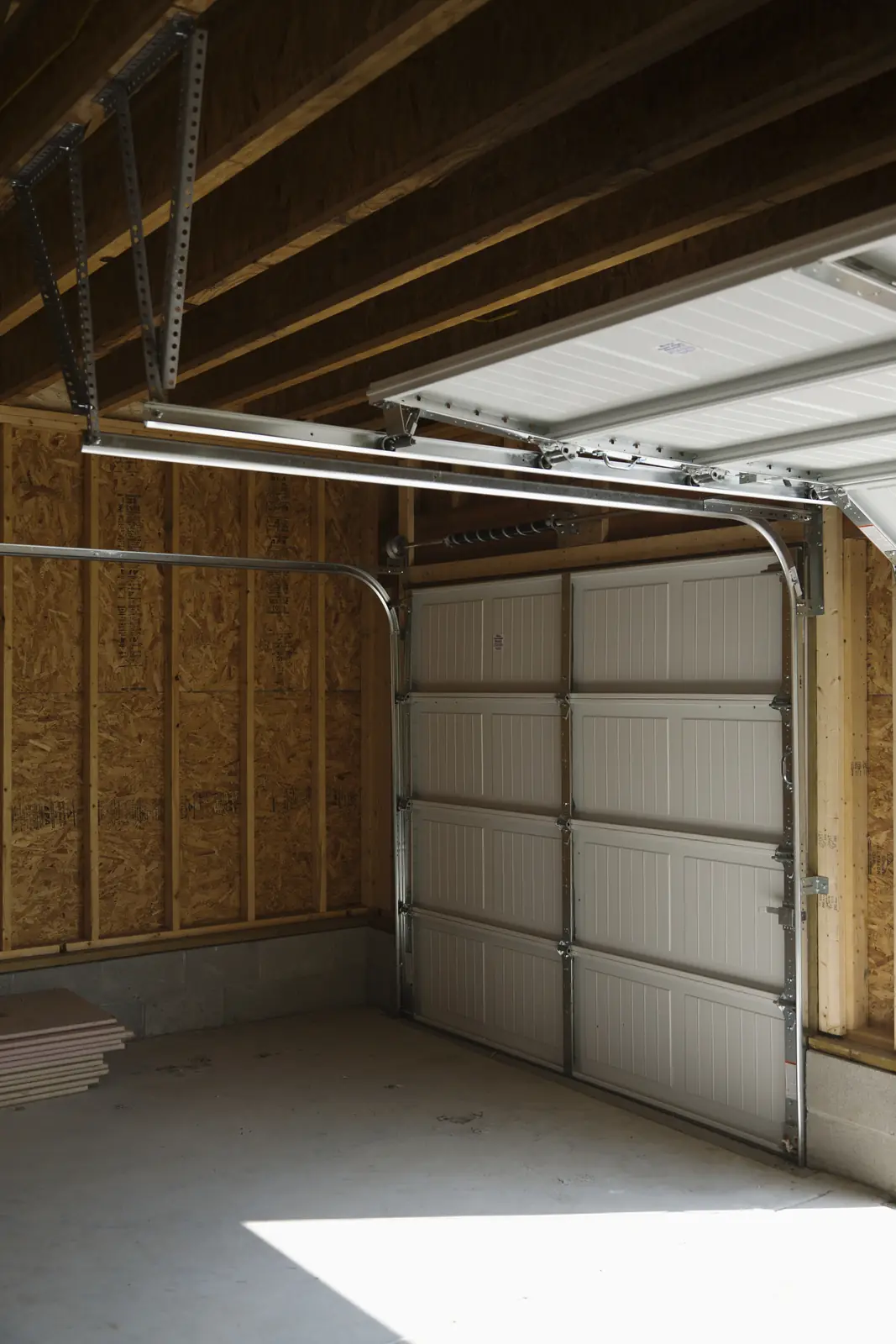
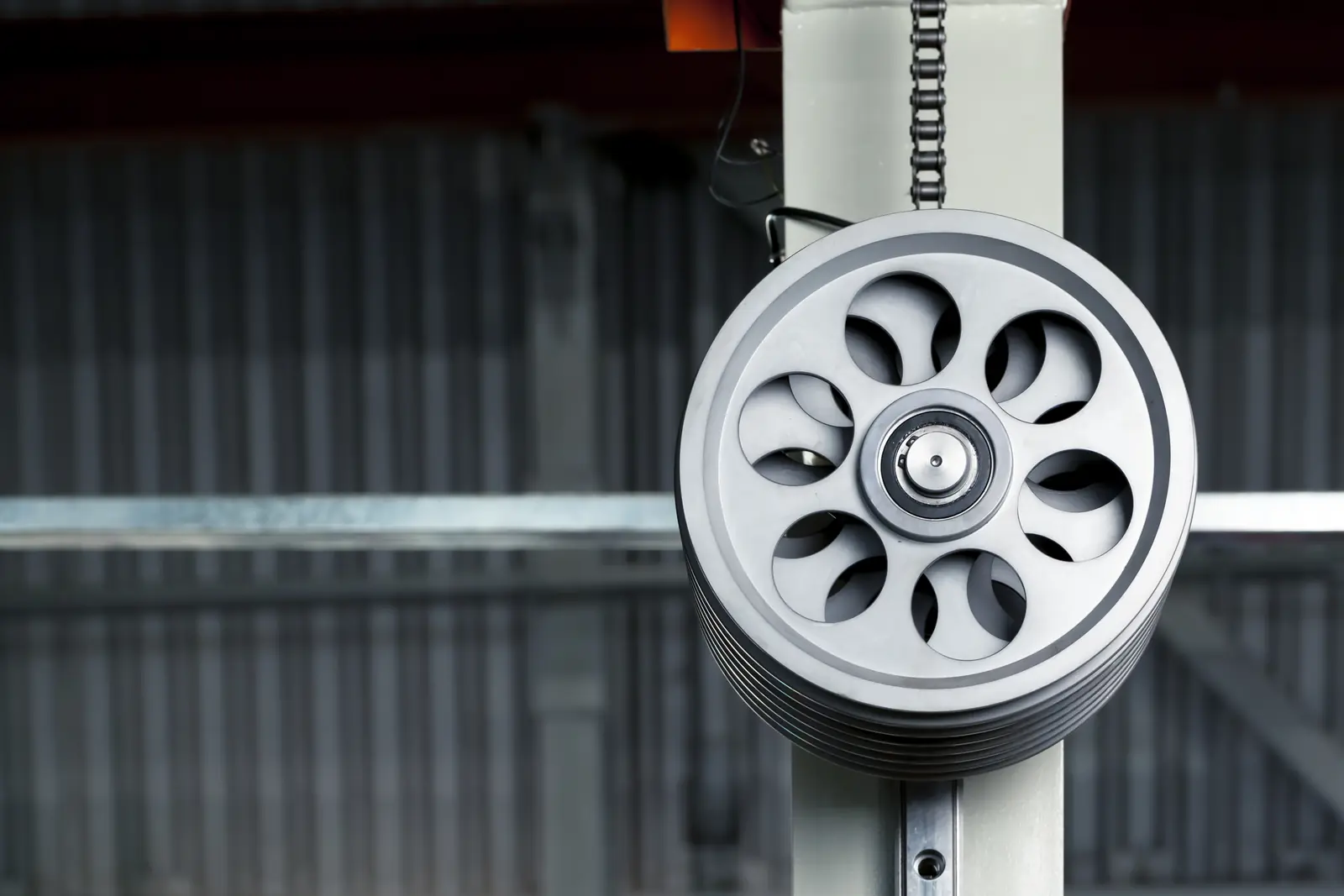
Every sectional garage door rides on a set of rollers, usually ten on a standard 16x7 double door and eight on a 9x7 or 8x7 single. Each roller is a wheel on a steel shaft (the stem) that slides into a hinge or bracket on the door and rolls inside the vertical and horizontal tracks. When you press the remote, the springs do the lifting, but the rollers decide how smoothly that weight travels.
Because they move every time the door does, rollers wear out on a predictable schedule. A typical household cycles its door three to five times a day, which adds up to more than a thousand trips a year. Cheap rollers that come on many builder-grade doors are rated for far fewer cycles than quality replacements, so it is common to see them failing on homes that are only eight or ten years old.
When rollers wear, the door does not usually stop working overnight. Instead it gets louder, rougher and harder on everything around it, from the hinges and track to the opener's motor and gears. Catching it early is one of the cheapest ways to protect the rest of the system.
When To Call
Signs You NeedRoller Replacement
- Grinding or rattling as the door moves
- Door shakes or jerks at the same spot
- Chipped, flat or cracked nylon wheels
- Rusty steel rollers that slide instead of roll
- Rollers wobbling or tilting in the track
- Bent roller stems after a bump from a car
- A roller has popped out of the track
- Opener straining more than it used to
Roller Types
Choosing the RightReplacement Roller
Not all rollers are equal, and the right choice depends on how often you use the door, how heavy it is, and how much noise reaches the rooms around the garage. Here is how the common options compare.
| Roller Type | Noise Level | Typical Lifespan | Best For |
|---|---|---|---|
| Plain steel, no bearings | Loud | Short | Budget doors, rarely used sheds |
| Steel with ball bearings | Moderate | Long | Heavy wood or older steel doors |
| Nylon, no bearings | Quiet at first | Short | Light doors, low use |
| Nylon with sealed ball bearings | Very quiet | Long | Most homes, attached garages, bedrooms above |
For most Menomonee Falls homes we recommend nylon rollers with sealed precision bearings. The nylon tire absorbs vibration, and the sealed bearing keeps out dust, moisture and road salt grit. Unsealed bearings tend to collect grime and rust through Wisconsin winters, which is why they start to squeal or seize.
For very heavy doors, such as solid wood carriage-house doors or oversized custom doors, a heavy-duty steel roller with a quality bearing can be the better choice. We also match stem length to your hardware. Long-stem rollers are common on doors with double-end hinges, and getting the length wrong can leave the door binding or popping out of the track.
Warning Signs
How to Tell Your RollersAre Wearing Out
You can learn a lot about your rollers with the door closed and the lights on. Look at each wheel where it sits in the track. A healthy roller is round, sits centered, and turns freely. A worn one often shows one or more of these problems:
- Flat spots or chipped edges on nylon wheels, which cause a rhythmic thump as the door moves.
- Wobble on the stem, meaning the bearing is worn and the wheel tilts in the track.
- Rust and dry bearings on steel rollers, which squeal or stop turning and simply slide.
- Cracked or bent stems, usually from a door that was hit by a car or forced off track.
- Grooves worn into the track, a sign rollers have been dragging instead of rolling.
Listen too. Grinding, rattling, or a door that shudders on the way up all point toward rollers. If the door jerks at the same spot every time, a single bad roller is often catching at a track joint. The longer it goes, the more it chews up the track and hinges, turning a simple roller job into a track or hinge repair.
Our Process
How We HandleYour Roller Replacement
Inspect and Listen
We run the door, watch each roller in the track and listen for the source of noise or shaking.
Secure the Door
We lock the door in place and safely relieve spring tension before working on the bottom brackets.
Swap Rollers and Hinges
Old rollers come out one hinge at a time, and new sealed-bearing rollers go in, with cracked hinges replaced as needed.
Align and Lubricate
We adjust track alignment and clearance, then lubricate bearings and hinge pivots without over-greasing the track.
Balance and Test
We rebalance the springs and test the opener's force settings, auto-reverse and photo-eye sensors.
Safety First
The Bottom Roller IsNot a DIY Job
Most rollers are held in hinges that can be unbolted with ordinary tools, which is why roller swaps show up in so many online videos. The catch is the bottom pair. On nearly every residential door, the bottom rollers sit in the bottom brackets, and those brackets are where the lift cables attach. On a torsion spring system, those cables are under the full tension of the springs.
Loosening a bottom bracket on a door with wound springs can release that tension suddenly, sending the bracket, cable or door section flying. People are seriously hurt every year doing exactly this. Some bottom brackets are even marked with red bolts or warning labels for this reason.
When we replace rollers, we unwind or block the springs correctly before touching the bottom brackets, then rewind and balance the door when we are done. If you do want to tackle the upper rollers yourself, always work with the door closed and unplugged, and leave the bottom brackets, cables and springs to a trained technician. If your cables look frayed while you are there, our cable replacement team can handle that in the same visit.
Our Process
What Happens Duringa Roller Replacement
A full roller replacement on a standard two-car door usually takes about an hour, sometimes a bit more if the track needs work. We start by running the door and watching how it moves, because rollers are often a symptom as much as a cause. A door that is out of balance or a track that is out of plumb will wear new rollers out quickly.
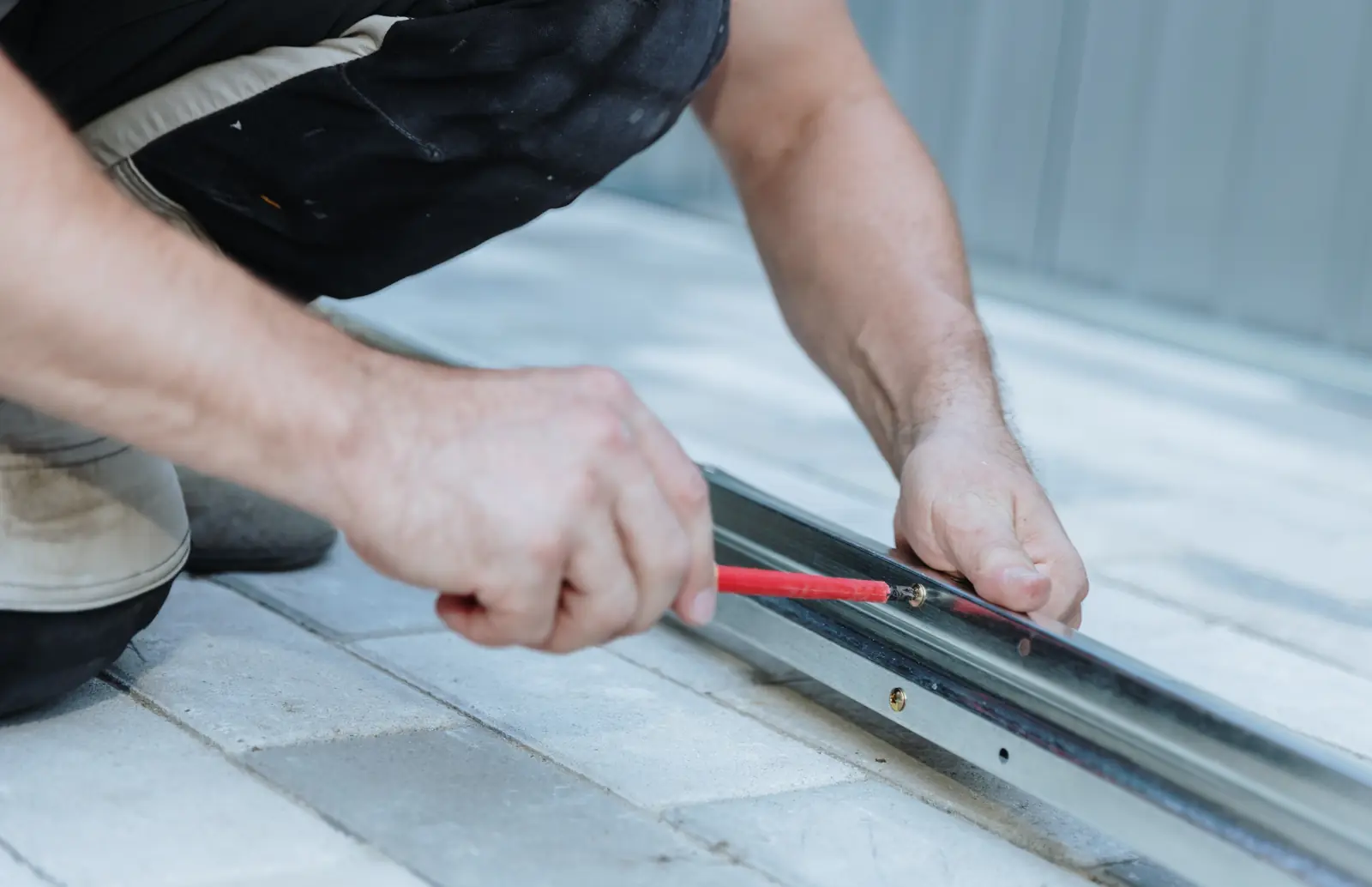
Next we secure the door, take tension off the system as needed, and replace rollers one hinge at a time so the door stays supported. Each new roller is seated fully in its hinge tube and checked for free movement. We inspect hinges while they are open, since cracked hinges and elongated bolt holes are common on older doors and should be replaced at the same time.
Once the rollers are in, we check the track alignment and the gap between the rollers and the track, lubricate the hinge pivots and bearings where appropriate, and rebalance the springs. Finally we test the opener's force and reversal settings and the photo-eye sensors, because a smoother door can change how the opener behaves.
Local Conditions
How Wisconsin WeatherWears Out Rollers
Garages in Menomonee Falls see a wide swing in conditions over a single year. Humid summers bring condensation that settles on steel track and roller bearings, and winter adds road salt and slush tracked in on tires. That mix is hard on unsealed bearings, which is why we so often find rusted, seized rollers on the bottom half of doors along busy routes like Appleton Avenue and County Line Road.
Deep cold matters too. During sub-zero snaps, grease in cheap bearings stiffens and some nylon compounds become more brittle, so a roller that was marginal in October may crack or stop turning in January. A door that is frozen to the floor and then forced open by the opener puts a sudden load on the bottom rollers and brackets.
Quality sealed-bearing rollers handle these swings much better. We also recommend keeping the bottom seal free of ice and avoiding heavy grease in the tracks, which only collects grit. A light lubricant on bearings and hinges a couple of times a year is plenty.
Whole-Door Check
Related Problems WeLook For While We Are There
Rollers rarely fail in isolation. When we open up the hardware, we take a close look at the parts that interact with them, so you are not calling us back a month later for a related problem.
- Tracks: dents, bent sections and loose mounting brackets cause rollers to bind. Minor issues can be straightened; badly damaged sections may need track replacement.
- Hinges: cracked or worn hinges let rollers sit crooked and should be replaced together with the rollers.
- Springs: an out-of-balance door drives rollers hard into the track. We check balance and recommend spring replacement only if the springs are actually worn.
- Panels: a cracked section near a hinge can loosen roller hardware. We will tell you if a panel replacement makes sense.
We explain what we find in plain terms and give you options. If everything else is in good shape, we simply replace the rollers and leave you with a quieter door.
Older Homes
Rollers on Older Doorsand Builder-Grade Models
Many of the 1950s to 1970s ranches and split-levels around Old Falls Village and off Pilgrim Road still have their original-era doors or early replacements. These doors may use different stem lengths, older hinge designs or track sizes that are not what you find at the big-box store. We carry common sizes on the truck and know how to match older hardware so the door runs true.
Newer subdivisions in Menomonee Falls tend to have the opposite problem: lightweight builder-grade doors installed with the cheapest rollers available. Those doors look good, but their rollers often wear out early. Upgrading to sealed nylon rollers is one of the most cost-effective improvements you can make to a newer door, especially if there is a bedroom or living space above or beside the garage.
If your door is old, heavy and has needed several repairs lately, we will give you an honest view of whether rollers alone will fix it or whether a new garage door is the better long-term value.